

Cupping Therapy in Denver

Summus Rehabilitation offers cupping as an integrated approach to physical therapy treatment. It is a tool often used in tandem with other manual therapy techniques to help address soft tissue restrictions, knots, and trigger points to help the muscle function better. It is incorporated into the treatment you receive at Summus and is not an add on service. Cupping is never performed alone at Summus and is always paired with movement and postural retraining to improve muscle activation for long term results.
What is Cupping Therapy?
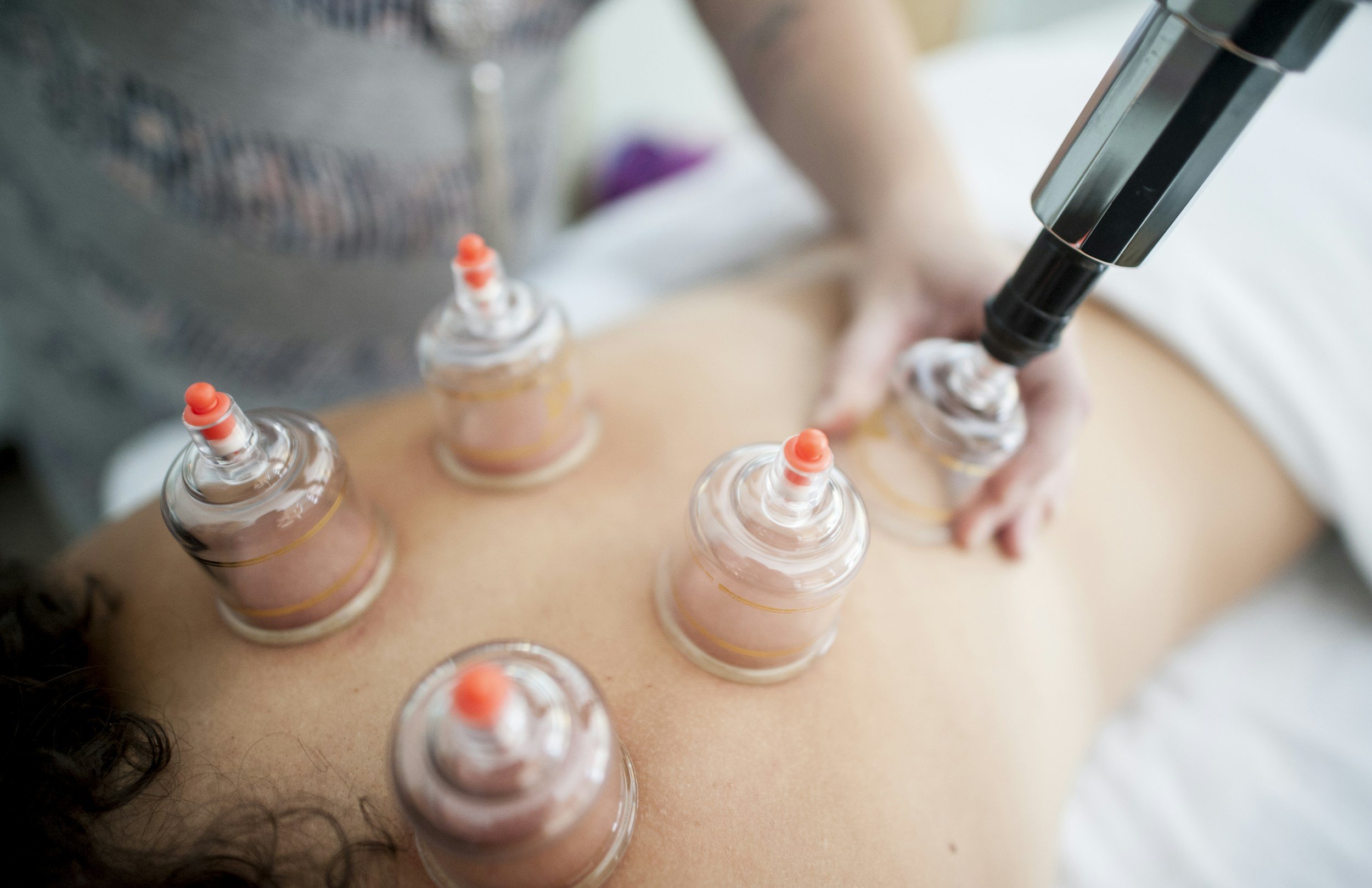
Cupping therapy is a manual technique performed by a skilled physical therapist at Summus Rehabilitation in Denver, CO, to address underlying tissue restrictions in an area of the body. Tools, known as therapeutic cups, are applied to the skin via suction. The suction therapy addresses muscular and fascial restrictions by increasing blood flow, providing decompression to the area, and inducing a calming effect on the nervous system to manage pain. Based on your therapists’ goals for the treatment, the cups will either be manipulated or maintained in a stationary position. Cupping therapy has been shown to decrease pain, improve soft tissue restrictions, and help restore optimal movement patterns.
How Cupping Treatment Works in Physical Therapy
Cupping therapy is a piece of the puzzle within physical therapy treatment. At the beginning of each physical therapy session, your skilled therapist will ask you questions to understand any changes since the last visit and will perform a brief physical assessment. During the physical assessment, your therapist may select myofascial cupping therapy as the manual therapy intervention because they are looking to improve the connective tissue restrictions, decompress the tissue, improve connective tissue and fascial mobility, and improve blood flow. Once cupping therapy helps restore your tissue mobility, your physical therapist will guide you through exercises to enhance functional movement for lasting results. Manual therapy and cupping therapy alone does not create lasting changes and thus requires integration of intentional movement.
Benefits of Cupping Therapy
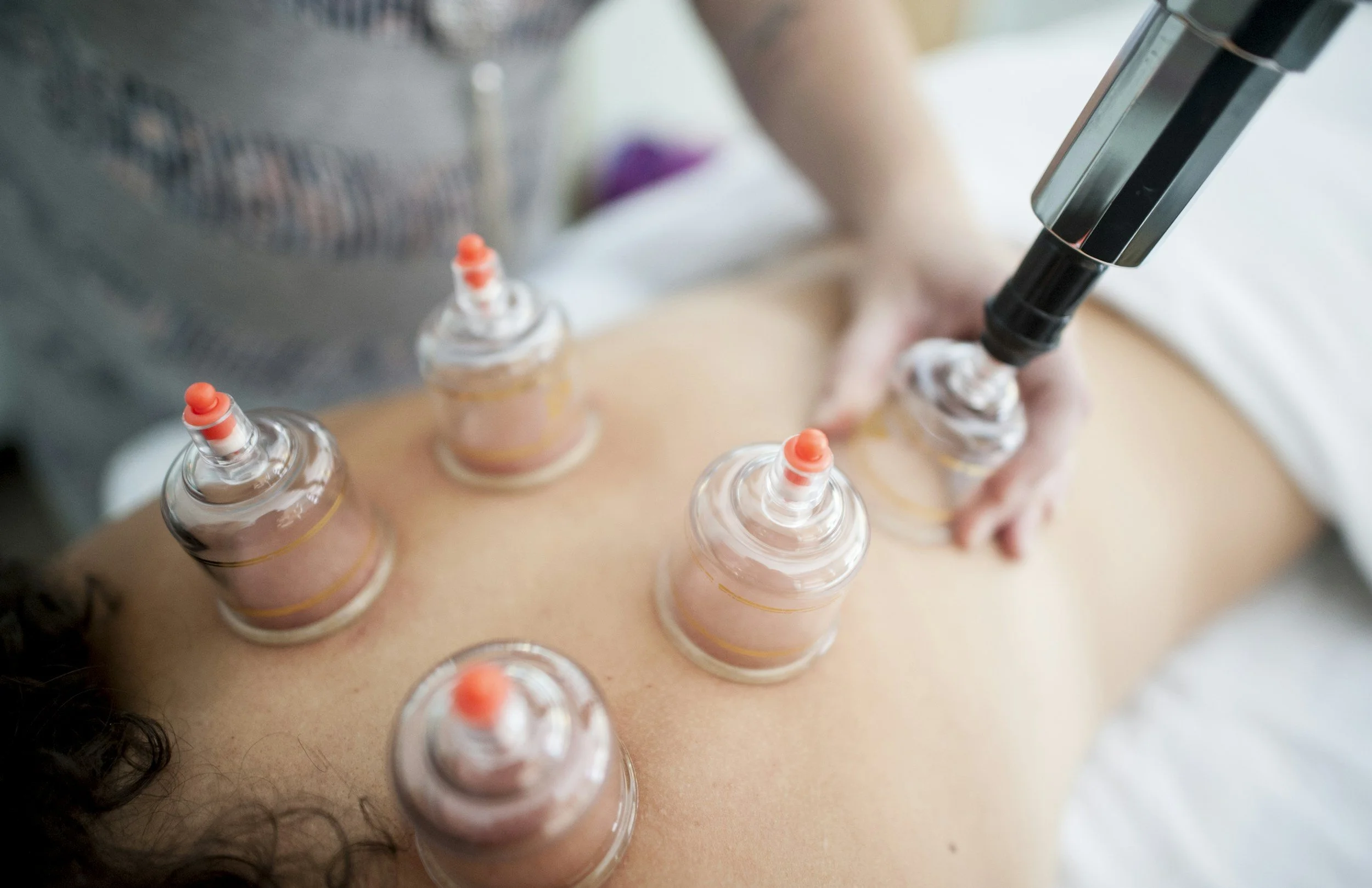
Therapeutic cupping can benefit the myofascial system and the lymphatic system. Skilled physical therapists can provide cupping for pain relief, and to improve muscle length and reduce tension. Cupping therapy when paired with active exercise can allow for long term functional change to improve movement patterns. Cupping therapy works by inciting a localized inflammatory response to promote tissue healing and remodeling, speeding up the muscle recovery process. It has been used in sports performance, scar recovery, and to treat pain due to several musculoskeletal conditions. Benefits of therapeutic cupping include:
Increased circulation or blood flow
Scar remodeling
Decreased muscle tension
Decompression of soft tissue
Increased range of motion
Conditions Commonly Treated with Cupping

Abdominal Pain
Cupping can be used to decompress abdominal muscle tension and fascial restrictions, commonly contributing to aching and burning pain in the abdomen.
Neck Pain
Cupping therapy can improve neck pain by increasing blood flow and reducing muscle tension that contributes to neck pain, jaw pain, and headaches. When cupping therapy is performed on the muscles surrounding the neck, it is important to pair this intervention with active exercise to create stability and improve movement patterns.
Pain After C-Section Surgery
Cupping promotes scar remodeling and tissue healing.
Plantar Fasciitis
Muscle and fascial restrictions in the calf and lower leg can contribute to pain associated with plantar fasciitis.
Low Back Pain and SIJ Dysfunction
Muscle tension and fascial restrictions that contribute to low back pain can be improved by cupping therapy. This modality can significantly improve muscle imbalances that contribute to low back pain.
Is cupping actually good for you?
Evidence shows that cupping therapy as a modality of skilled physical therapy has tangible benefits on the musculoskeletal and lymphatic system. Research shows it addresses myofascial trigger points to improve range of motion and muscle strength. Cupping therapy has also been shown to improve nerve mobility when placed in the course of a nerve. Finally, increased blood flow, induced by cupping therapy, improves healing timelines by causing a local inflammatory response. If you have a nerve injury, trigger points, knots, or pulling sensations in the body after a surgery, cupping may be beneficial for you.
Does cupping leave marks or cause side effects?
Cupping therapy can leave red or purple, bruise like, circular marks at the site of the cup placement. This is due to the increase in blood flow to the area as a result of the suction effect. You can expect these marks to dissipate within a few days to a week. It is also normal to experience some soreness and achiness where the cup was placed. The soreness will dissipate within 24-48 hours following the manual therapy intervention.
When cupping may not be appropriate
At your initial visit, your physical therapist will ask detailed questions about your concerns, goals, and medical history. After a thorough physical assessment, we will determine a plan of care that addresses your symptoms and goals. Cupping as a manual therapy modality will be suggested by your physical therapist if this intervention aligns with your therapist’s findings, your goals, and is appropriate given your medical history. Some conditions that cupping therapy is not suitable for include open wounds, bleeding disorders or fractures. Your therapist will suggest other interventions more suitable for your individualized needs as part of your plan of care if this form of manual therapy does not align.

Cupping in Denver at Summus Rehabilitation
At Summus Rehabilitation in Denver, CO, we use cupping as a tool in our toolbox. The benefits of cupping therapy helps our patients return to their goals including skiing at Winter Park, hiking a local fourteener, attending a Denver yoga class, or grabbing a coffee for a Wash Park stroll.
What to expect during a cupping session at Summus
At Summus Rehabilitation in Denver, CO, we prioritize evidence-based, patient-centered care. During your first visit, we'll discuss your goals, conduct a thorough assessment, and develop a personalized treatment plan. Manual therapy is typically performed initially to assess your tissue response.
If cupping is suitable, your therapist will explain the process and obtain your consent before treatment. Your therapist will perform an assessment of the concern area, and determine where to apply the cups. You may experience a strong pulling sensation and mild soreness, but your therapist will stay within your comfort range (no higher than 3/10 pain). After treatment, you should feel relaxed; remember to hydrate and avoid showering for 3–4 hours.
How Cupping Fits into Your Rehabilitation Plan
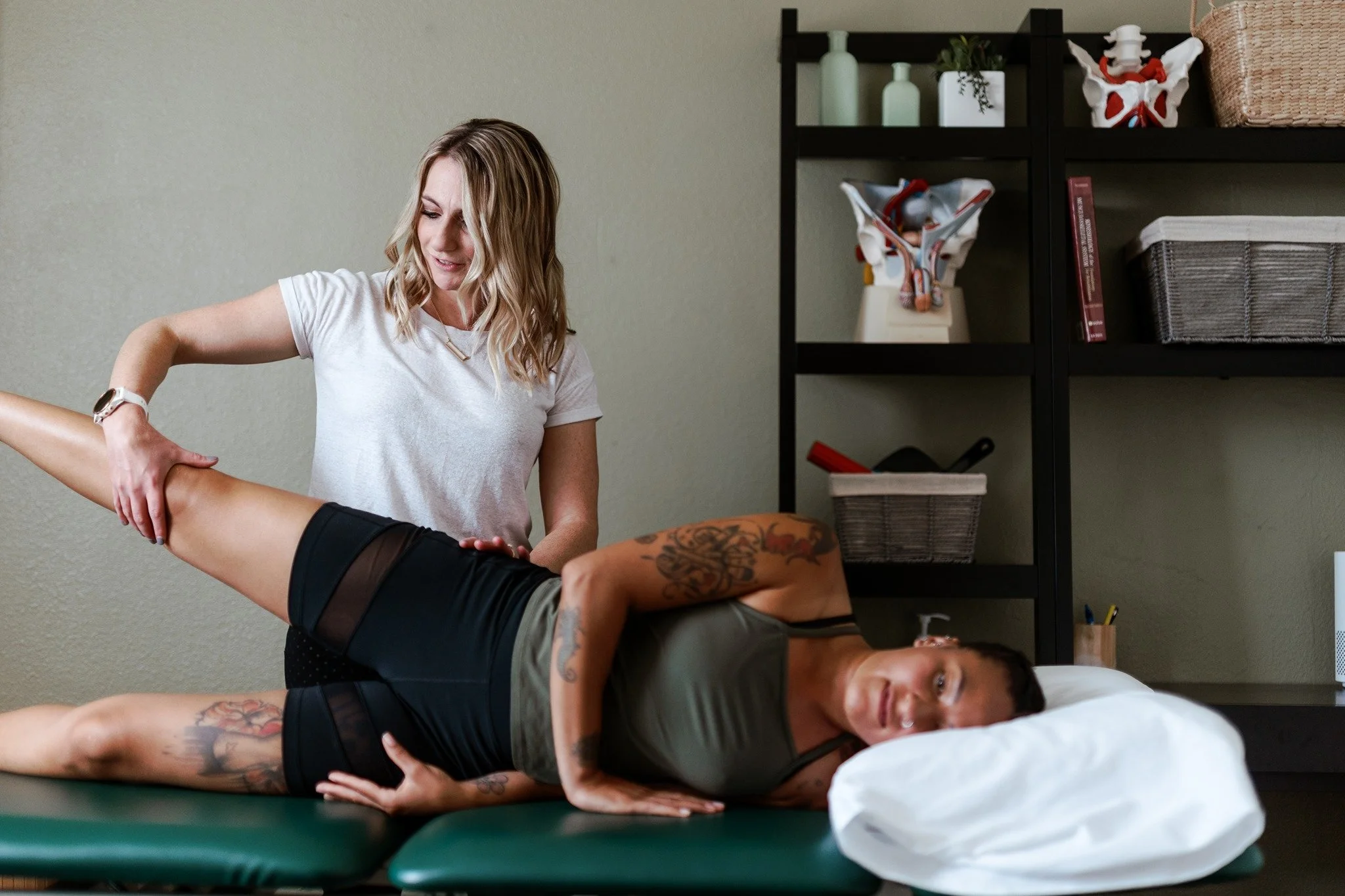
Cupping therapy performed by a skilled physical therapist is a manual therapy intervention. Rather than a standalone treatment, it is used as a tool within a physical therapy session to promote blood flow, decrease tissue restrictions, and improve recovery timelines. Once these benefits are delivered and your tissues are moving optimally, your therapist will then introduce active exercise to improve functional movement patterns and create long term change.
Cupping vs Massage and Other Techniques
Cupping therapy has similar benefits to massage therapy. Both are modalities used within a physical therapy session, and both deliver increased blood flow, and improve tissue restrictions. However, massage therapy delivers more gradual results that some consider to be more relaxing for the nervous system while cupping therapy delivers a strong pulling sensation that can feel more intense. Cupping, unlike massage therapy, leaves marks on the skin due to the negative pressure it creates. You and your therapist will decide together which form of manual therapy is right for your individualized concerns and goals in physical therapy.
Frequently Asked Questions About Cupping Therapy
Who can legally do cupping?
Cupping can be legally performed by physical therapists, acupuncturists, massage therapists, chiropractors, and medical doctors. Here at Summus Rehabilitation, all our therapists have earned a clinical doctorate, which allows them to make clinical decisions about the safety and efficacy of any chosen intervention.
Is cupping better than a massage?
Based on your concerns and goals and a thorough physical assessment your physical therapist will recommend which manual therapy intervention is right for you. Please feel free to ask questions or share interventions and modalities that have worked for you in the past!
Why not shower after cupping?
It is important to avoid showering 3-4 hours after performing cupping. This is because the negative pressure from the suction effect leaves pores open, and can increase sensitivity and risk of infection.
When should you not do cupping?
Cupping should be avoided if your medical history includes a bleeding disorder, or if you currently have an open wound or fracture in the area of concern. It is also important to consider that cupping will likely leave bruise-like marks in the site of application.
Does cupping pull out knots?
Cupping therapy creates a negative pressure in the site of application to reduce muscle and fascial restrictions. Studies show that cupping therapy effectively reduces knots, known as trigger points, and improves tissue length and mobility.
How much does cupping cost?
Cupping therapy is a manual therapy intervention delivered within your physical therapy sessions. If you and your therapist decide that cupping therapy is the best manual therapy intervention for your individualized goals and needs, your therapist will perform this intervention as part of your session at no additional cost.