

Manual Therapy

Manual Therapy in Denver
Manual therapy is led by a skilled physical therapist and looks different from chiropractic care or massage, with different tools, goals, and outcomes. Here at Summus Rehabilitation in Denver, CO, our physical therapists use hands-on manual therapy as a modality to help with assessment and treatment of orthopedic and pelvic floor conditions. Manual therapy is always paired with specific stretching, strengthening, functional training, and postural exercises to support the changes made with manual therapy. This approach is individualized and takes the person as a whole into consideration.

What Is Manual Therapy?
Manual therapy is a specialized, hands-on approach performed by a physical therapist to assess and treat soft tissue such as muscle, fascia, connective tissue, joints, and nerves. Physical therapists use skilled manual therapy to mobilize or manipulate body parts to reduce guarding and tension in muscles, improve joint mobility, and induce calming effects on the body and the nervous system. At Summus, we use manual therapy led by a skilled physical therapist to help manage pain and improve mobility by using individualized techniques tailored to your body’s specific needs.
Manual Therapy in Physical Therapy: How It Works
At Summus Rehabilitation, our initial assessment includes understanding your mobility concerns, pain presentation, movement patterns, and goals. Our physical examination includes palpation of muscle groups, special tests to understand drivers of your pain, and functional movement testing to get an idea of how you move on a daily basis. We gather information to help us decide which manual therapy techniques to use to reduce your pain and improve your function. At Summus, we know that your body functions as a system, not as individual parts. We typically start your physical therapy session with manual therapy treatment to improve your mobility and manage your pain. We then pair it with active treatment (specific exercises) to capitalize on the changes that we’ve created through our hands-on treatment.
Manual Therapy Techniques We Use
Manual therapy techniques delivered by our expert physical therapists at Summus can vary based on your individualized needs. We assess muscle tension, joint mobility, and fascial restrictions to decide which treatment interventions to deliver. At Summus Rehabilitation, our physical therapists are trained in:

Joint mobilization is a technique that allows therapists to apply graded pressure to joints to restore function and mobility, and decrease stiffness. Your therapist may use tools such as belts to make mobilizations feel more comfortable. We use these techniques commonly on the shoulder, spine, pelvis, and hips.
Joint Mobilization and Manipulation
Trigger points are restrictions in muscles that limit how a muscle contracts and releases. To be able to function appropriately, muscles need to move through their full range of motion. When muscles develop “knots” or trigger points, they become contracted and cannot relax thus limiting movement causing pain or dysfunction. Trigger point release is the use of gentle, graded pressure to resolve the knot and restore optimal muscle function.
Trigger Point Release
Soft Tissue Mobilization and Myofascial Techniques
We use soft tissue mobilization or gentle graded physical therapy based massage to treat muscle tension, fascial limitations, and/or scar tissue restrictions. Fascia is a connective tissue layer that wraps muscle groups together. We find that fascia, along with muscles, can become restricted by general muscle imbalance. Scar tissue can develop from c-sections and other surgeries and can cause pain, pulling, or discomfort and impact the way muscles and other soft tissue in the body move and function. At Summus, we see these restrictions in active populations, pregnant patients, as well as postpartum patients.
Instrument Assisted Soft Tissue Mobilization (IASTM)
Instrument assisted soft tissue massage, or IASTM, can help physical therapists to treat muscular or fascial restrictions using tools to address a larger muscle group.
Which Conditions Can Manual Therapy Help Treat?
Manual treatment of SI joint dysfunction can look like joint mobilizations of the pelvis and hips, soft tissue mobilization, and trigger point release of surrounding muscles. Typically, we want to use manual therapy to release the muscles around the SI joint and then create stability at the SI joint with targeted strength exercises to re-establish muscle balance around the joint.
Sacroiliac (SI) Joint Dysfunction
Assessment for pelvic pain can be internal and external. An internal pelvic assessment includes palpation of the pelvic floor muscles, either through the vagina or the rectum. Manual therapy can look like a sustained pressure to release trigger points in the pelvic floor muscles, scar tissue mobilization/desensitization, or fascial manipulation.
Pelvic Pain
Assessment for low back pain entails examining the spine, hips, and pelvis. Manual treatment can include trigger point release, IASTM, and joint mobilization.
Low Back Pain
After assessment to determine where the pudendal nerve is being compressed, manual therapy can be used to improve soft tissue or joint restrictions followed by exercises to improve nerve mobility and function.
Pudendal Neuralgia
Abdominal muscles can be restricted by fascia, trigger points, or scar tissue. At Summus, we use trigger point release, soft tissue massage, and myofascial release to address abdominal pain. This can help alleviate pain and improve bowel movements and constipation.
Abdominal Pain
Manual Therapy vs Massage vs Chiropractic Care
Physical therapist-led manual therapy clinically addresses joint, muscle, nerve, and fascial restrictions using hands-on techniques. Hands on touch also helps to relax and regulate the nervous system to modulate pain. The goal of manual therapy is to improve the state of tissues to reduce pain and allow patients to tolerate and perform active exercises within an improved range. Passive manual therapy combined with active exercises improve functional movement patterns for the long term to help our patients return to their goals pain, limitation, and leakage free.
Massage therapy helps to address muscle and fascial restrictions. It can help decrease muscle tension and relax the nervous system. Massage therapy can help decrease pain in the short term, however, because it is not paired with active exercise, it does not help to create functional change for the long term.
Chiropractic care helps address joint limitations using “adjustments” or manipulation techniques. It is typically known as a passive treatment to help relieve pain for the short term. Chiropractic care is sometimes accompanied by active exercise.

Summus Rehabilitation: Your Denver Partner for Manual Therapy
At Summus Rehabilitation, located in Lakewood, CO, our goal is to use evidence based practice to provide you with clinical excellence and compassionate care. We specialize in treatment of complex lumbopelvic dysfunction including pelvic pain, low back pain, SI joint dysfunction, and hip dysfunction. We use physical therapy assessment techniques including range of motion examination, strength examination, gait analysis, functional movement analysis, and internal pelvic floor assessment to find the cause of your pain. From there, we develop a plan tailored to your individual body and needs that can include strength training, manual therapy, and nervous system retraining. Whether your goals include skiing in Breckenridge and using your EPIC pass to the full extent, attending a dance class in Denver, or walking around Sloan’s Lake without pain or leakage, we can help guide you there!
Your Manual Therapy Session at Summus Rehab
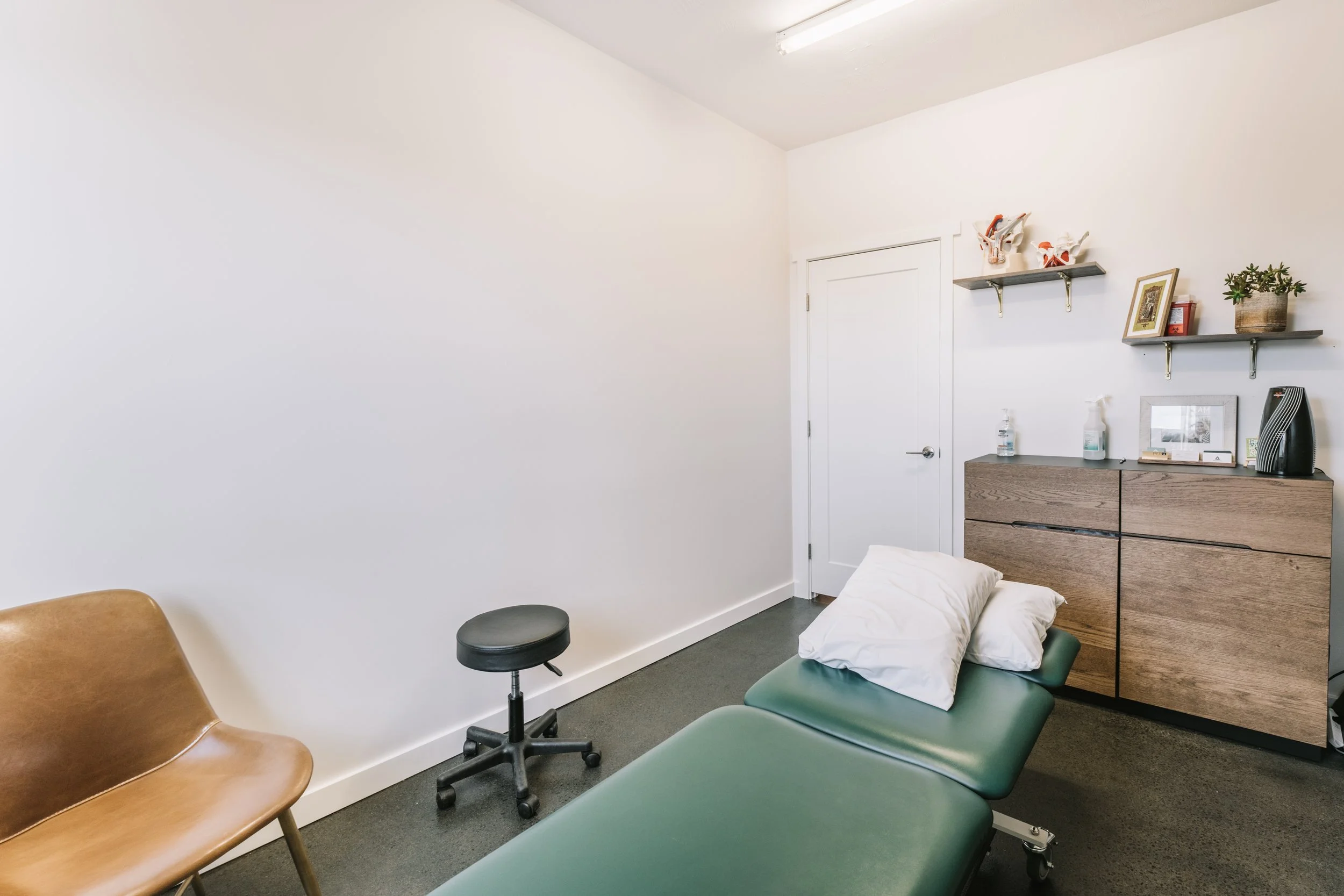
At your first visit, your therapist will greet you, and bring you to a private room for your initial session. Here, we will ask you about what brings you the physical therapy, and about your experiences and concerns. We will answer any questions you have about the process. We will then ask you several questions digging deeper to get an understanding of your pain and your goals. We will then perform a series of physical assessments to get a clear picture of your movement patterns and drivers of your pain. If you are seeing us for a pelvic floor concern, we may perform an internal assessment, feel free to read this blog post on what to expect at an initial pelvic physical therapy visit. Once we have a clear understanding of what you are experiencing, we will perform a manual therapy intervention to help manage your pain. We will follow that up with exercises to complement the manual intervention. Finally, we will share our findings, and a plan of care with you which includes how long your treatment duration may last, and how often you will need to come in for sessions.
Manual Therapy FAQs
Is manual therapy the same as massage?
In short, they are not the same. While both can address muscle tension, manual therapy is part of a physical therapy plan of care, which begins with a skilled evaluation of your body and the concerns and goals you have. Manual therapy, led by a skilled PT also addresses restrictions in joints, and fascia. It is also paired with active exercise to create long term change.
Does trigger point release hurt?
Our therapists are trained to prioritize communication and perform manual therapy that passively mobilizes tissues and centers nervous system relaxation. Our goal is to find what is known as the “therapeutic range of pain”, which is pain that does not exceed what you consider to be a 3/10 at most. Trigger point release and manual therapy should feel good, and feel like a release.
How many manual therapy sessions do I need?
At your initial visit, your physical therapist will listen to your concerns, your goals, and perform an examination tailored to your symptoms. This examination will include special tests to understand drivers of your pain, palpation of muscle groups and other involved structures, and functional movement testing to get a clear picture of how you move on a daily basis. Using evidence based research, the specific findings from your assessment, and your goals, we will share a plan for you. Most PT sessions will include manual therapy treatment, however, the session is typically shared with postural education, functional training, strengthening, and stretching exercises to complement the manual therapy techniques used. Session vary on the complexity of each patient and are discussed with your therapist at the initial evaluation and with ongoing treatment.
Is manual therapy covered by insurance?
Here at Summus Rehabilitation, we believe that you and your physical therapist should dictate the type of treatment that a patient needs. We value patient care, evidence based practice, and one on one time with our patients. Due to the nature of our treatment model and culture, we are out of network with insurance. Payment is due at the time of service. However, if you have out of network benefits with your health insurance, we will provide a superbill with all of the documentation required for your insurance to reimburse you as per your out of network benefits. Manual therapy codes provided in the superbill are typically eligible for insurance reimbursement.