

Functional Dry Needling

Functional Dry Needling in Denver
Physical therapy focuses on restoring, maintaining, and improving your physical function At Summus, we may use a technique called dry needling to address pain, restore mobility, and move better. Dry needling is used to calm the nervous system and improve muscle function by inserting the needle into a trigger point or a muscle knot. Functional and trigger point dry needling is best used in combination with specific strengthening, stretching, functional training, and postural exercises so the effects are lasting and prevent pain and symptoms from returning. Dry needling is used as a tool to help you regain function and is part of an individualized, one on one treatment plan for each patient.
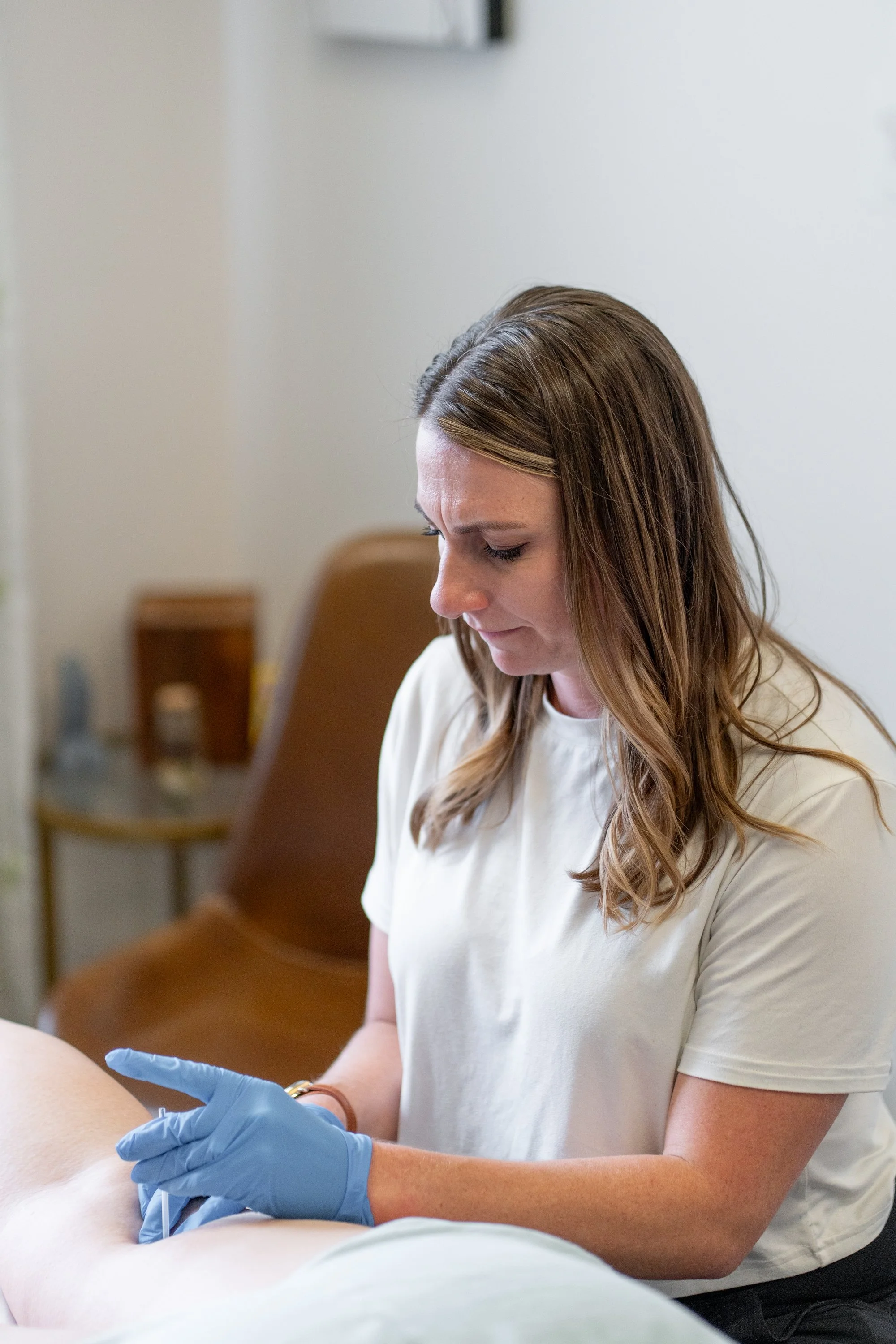
What is functional dry needling?
Functional dry needling is a therapeutic technique performed by a licensed and certified physical therapist that involves inserting thin, solid needles into specific muscles. The goal of functional dry needling is to alleviate pain, restore muscle function, and improve muscle performance. It is known as “dry” needling because it doesn’t involve the injection of any substances like medications. The needle is inserted into a trigger point or muscle knot to release it and “reset” the muscle. A trigger point or muscle knot occurs when a muscle cannot relax and remains contracted which results in decreased blood flow and oxygen and can cause sensations of pain and soreness. At Summus, functional dry needling takes into consideration how the muscle is behaving and is paired with movement to help the muscle learn to engage and function better for decreased pain and improved mobility.
How does dry needling work?
Functional dry needling targets trigger points or muscle knots that can develop is a muscle is overused or in a contracted position. When muscle fibers are constantly contracting and overused, they do not get adequate blood flow and oxygen causing the environment to become more acidic and the nerves in the area to become more sensitive. This results in sensations of pain and discomfort in certain areas of the body. When the therapist inserts a thin needle into the trigger point it releases the trigger point, improves pain, and improves blood flow as discussed below:
Release of trigger points
Dry needling stimulates the release of myofascial trigger points (think of the tight and sometimes sensitive areas in your muscles) to alleviate muscle tension and pain.
Neurophysiological effects
When needles are inserted into the skin and muscles, they affect the nervous system by stimulating the release of endorphins to improve your body’s pain perception. Endorphins are natural pain relievers that the body releases in response to pain or stress.
Improved blood flow
Needling can also enhance blood flow in the treated area, which aids in the healing process while reducing muscle inflammation.
Conditions Treated with Dry Needling
Functional dry needling is very effective tool in treating the following conditions:

Dry needling to the surrounding shoulder muscles such as the rotator cuff muscles, upper trapezius, levator scapulae, and deltoids can be effective in treating shoulder pain. However, when needling the shoulder it is important that specific exercises immediately follow the treatment for stability of the shoulder and neck to further decrease pain.
Dry needling for shoulder pain
Dry needling effectively breaks up a trigger point allowing for increased oxygen and blood flow to the muscle. This helps the muscle "reset" to be able to function better when exercises is added to the plan.
Dry needling for trigger points
Dry needle(s) may be placed next to the spine in muscles along the back to help alleviate upper, lower, and low back pain. Dry needling can help with discogenic pain, stenosis, arthritis, and muscle spasms. Dry needles for low back pain are placed near the spine and nerves to help bring blood flow, reduce inflammation, and reduce muscle spasms.
Dry needling for back pain
Muscle knots are the same as trigger points. Dry needling for muscle knots is very effective and helps the muscle "reset" so that it can be used optimally.
Dry needling for muscle knots
Dry needling the gluteals, piriformis, and deep hip rotators can help in increasing hip range of motion, decrease pain, and improve the ability of the muscle to contract and function with strength exercises.
Dry needling for hip pain
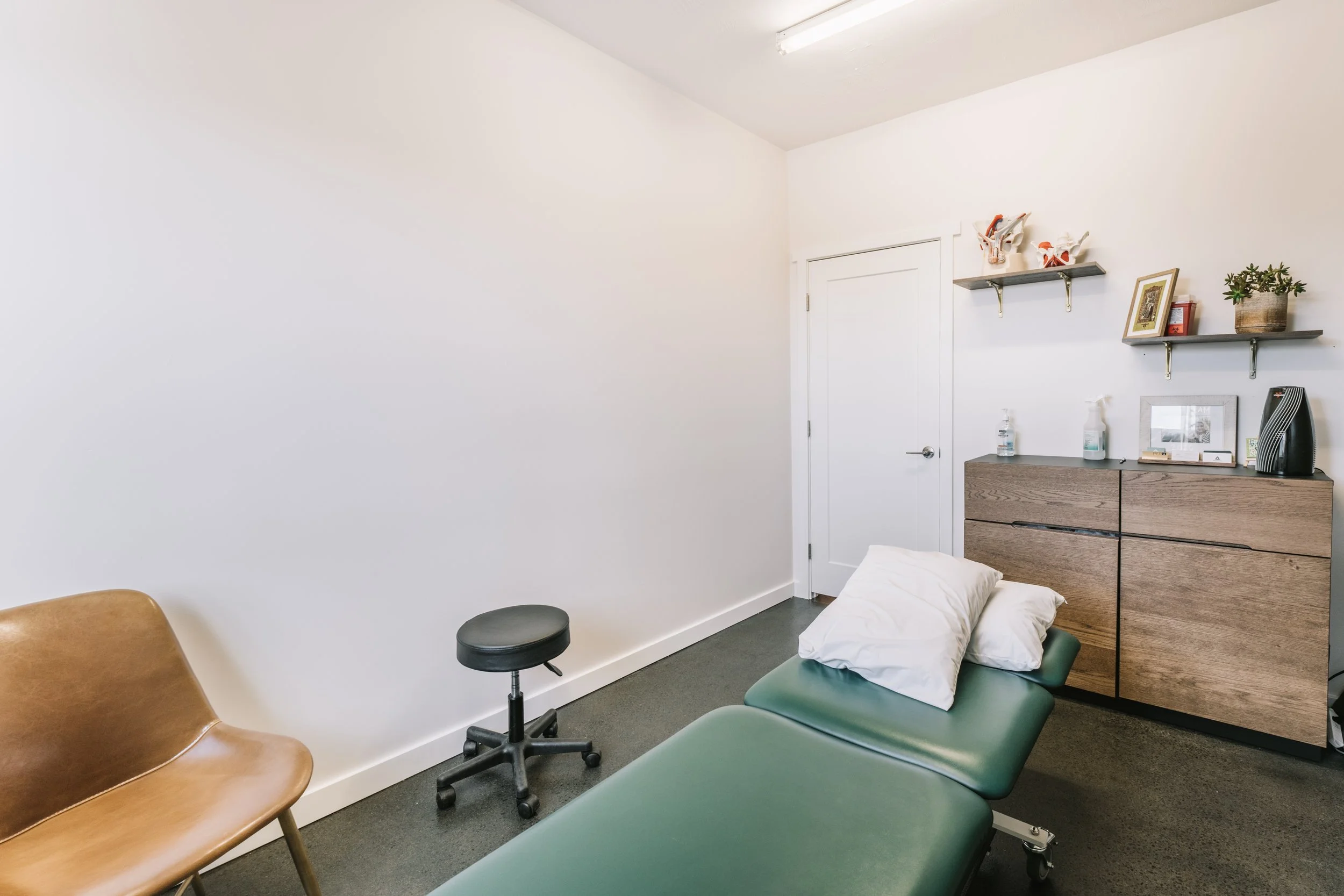
Functional Dry Needling in Denver at Summus Rehabilitation
After a thorough evaluation at Summus Rehabilitation in Lakewood, just west of Denver, your physical therapist will discuss why you are experiencing your pain and/or symptoms. The evaluation allows your therapist to identify the root cause of your symptoms and curate an individualized treatment plan with you to address your pain and symptoms. As part of treatment, your PT may suggest functional dry needling to help reduce pain, tightness, and/or tenderness and to restore function. Dry needling is never completed as a stand alone treatment at Summus because results from needling are best maintained with specific exercises such as stretching, strengthening, and postural reeducation. We take into consideration the patient as a whole and develop an individualized plan, rather than viewing the injury as a specific body part in isolation from other parts of the body. Additionally, communication is important, if you ever want to be dry needled and have questions about it, do not hesitate to ask. And if ever,you want a dry needling session to stop, just say “stop” and your therapist will immediately complete the treatment. We are here for you and want the best results for you and at Summus. You are always in control of your care.

What to Expect During a Dry Needling Session at Summus Rehabilitation
After an evaluation, your physical therapist may suggest functional dry needling. If this is the case, your therapist will explain how the dry needling will fit into the greater treatment plan of reducing pain and/or regaining range of motion, mobility, and stability. Your physical therapist will also talk about the benefits and risks of dry needling and ask for a verbal consent. Upon receiving a verbal consent, your therapist will have you sign a “Dry needling waiver.” Your therapist will then feel the affected area of your body, looking for trigger points or discomfort. Once the appropriate site is identified, your PT will determine the appropriate needle type, put gloves on, wipe the area of the body with alcohol, and walk you through inserting the needle. The needle may be left in for a few seconds to a few minutes to allow it to release the muscle. If your therapist feels it is appropriate and you consent, your therapist may move the needle around searching for nearby trigger points. Your therapist will always tell you what they are doing before doing the treatment. At any moment, you can tell the therapist to stop needling and your therapist will immediately remove the needle(s) and stop the treatment. You can always control the treatment and your therapist at Summus will always listen to you. At Summus, dry needling is usually performed at the beginning or first half of the session leaving time for you to adjust to the needling and to follow up the needling treatment with specific exercises to reengage the muscle.
Dry Needling as Part of Your Physical Therapy Plan
Physical therapy functional and trigger point dry needling is the most effective when it is combined with other physical therapy techniques such as stretching, strengthening, and postural retraining. When trigger points or knots are released in the muscle, the muscle immediately has improved oxygen and blood flow to the affected area and the muscle can function better. Once the muscle is “reset” and in a better resting state, the goal is to retrain the muscle and the surrounding muscles to work more optimally. Your therapist will select specific stretches and/or strength exercises to retrain the muscle appropriately to decrease pain and prevent trigger points from developing again. When dry needling is combined with specific exercises, it results in long term relief and prevents recurrence of symptoms.
Depending on the person, dry needling may feel like nothing or may be uncomfortable, but not painful. Once the needle is inserted the patient may not feel anything or they may feel a sharp sensation followed by a deep ache or cramp that will subside over the course of seconds or minutes. It may cause muscle soreness in the hours following the session but will subside usually within one day.
Is dry needling painful?
Dry needling vs acupuncture: what’s the difference?
Dry needling and acupuncture utilize different philosophies to address a patient’s dysfunction. Acupuncture is Traditional Chinese Medicine, is performed by a licensed acupuncturist, and can treat musculoskeletal pain as well as other systems and diagnoses of the body. Dry needling in a physical therapy environment takes into consideration a more orthopedic and neuromuscular approach to address poor movement patterns and pain. The physical therapist is looking at the quality of the muscle, posture, movement patterns when determining where to dry needle and then what exercises to incorporate with the dry needling technique. Dry needling in physical therapy is a part of a larger treatment plan to help the patient address the orthopedic or neuropathic pain and discomfort in a holistic manner. At Summus, we understand the difference between Acupuncture and physical therapy and oftentimes will refer a patient to acupuncture in conjunction with PT to help the patient address all of their symptoms.
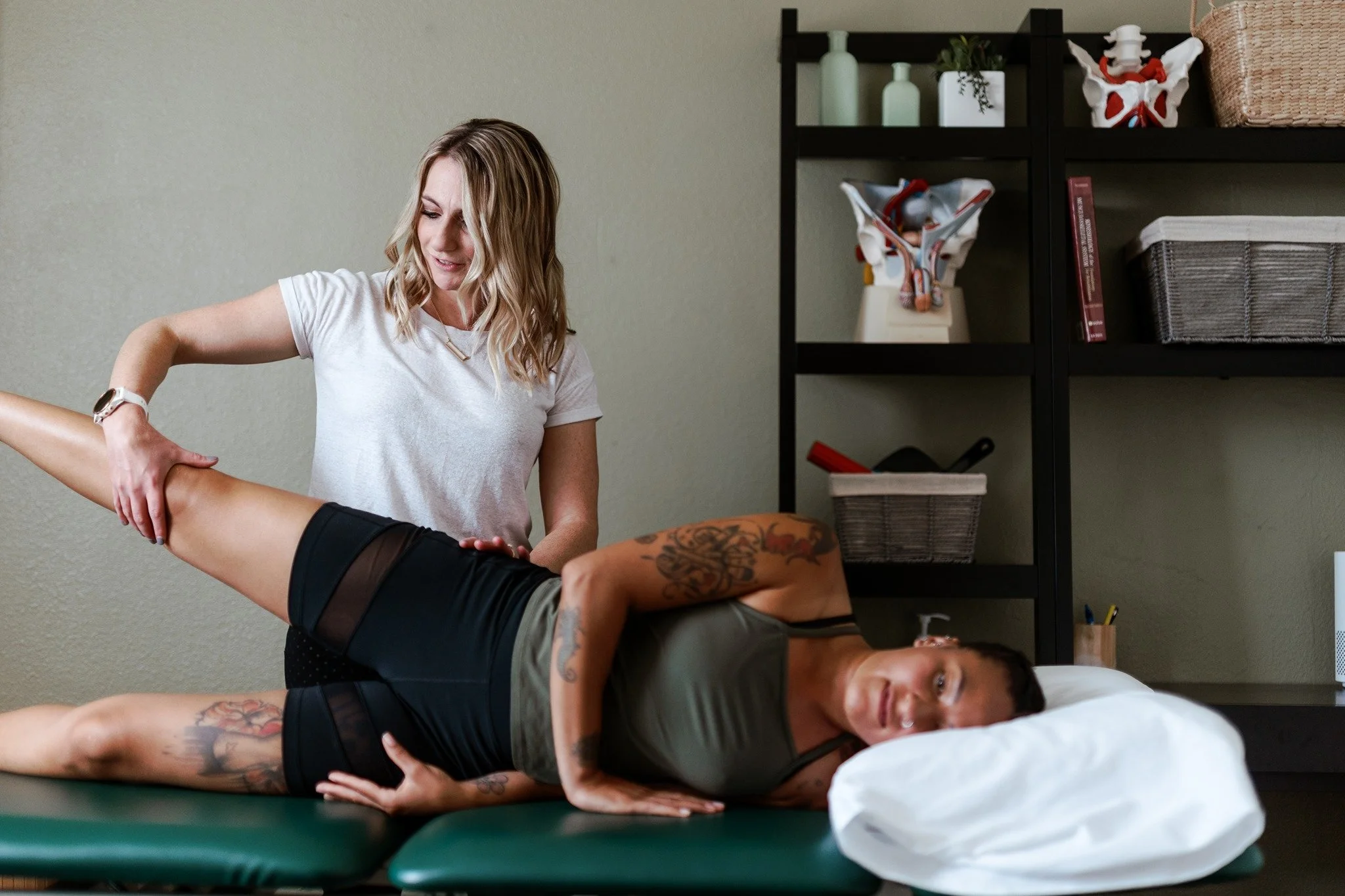
Why Choose Summus Rehabilitation for Functional Dry Needling
At Summus, we always incorporate the patients goals and values when determining a treatment plan to help them recover. We will never perform a treatment that the patient is not comfortable with and will always ask for consent prior to performing a treatment. Communication is our number one priority and we will always communicate the steps of dry needling with you so that you feel comfortable, safe, and confident in the treatment. The therapists at Summus are licensed, certified, and highly trained to perform dry needling safely. Dry needling combined with other treatments will help you reach your peak health, wellbeing, and movement goals. You, as the patient, are always at the center of treatment and we are here to support you whichever way we can. Additionally, we believe in sustainable treatments and thus functional dry needling is always a part of a great treatment plan so that you can maintain the gains made in physical therapy and prevent symptoms from returning.
Dry Needling: Everything You Need to Know
Dry needling may result in some bruising that will disappear within a few days. Dry needling may also cause temporary muscle soreness usually lasting less than 24 hours. Other patients may experience dizziness or lightheadedness immediately following the session which is caused by a sympathetic nervous system response. This usually subsides within minutes of lying down or sitting up and drinking water. Always communicate with your PT if you feel any of these symptoms.
What are the downsides of dry needling?
Yes! Dry needling is an effective treatment when combined with other physical therapy treatments. If however, the patient is not getting a benefit from dry needling, the therapist will change the treatment plan to implement other treatments that may work better for the specific patient.
Does dry needling really work?
Dry needling is illegal in California due to scope of practice conflicts between professions (primarily acupuncturists and physical therapists), despite the differences in philosophies and treatment approaches.
Why is dry needling illegal in California?
Dry needling is controversial because of potential overlap in scope of practice between acupuncturists and physical therapy. Acupuncturists also dry needle and call it orthopedic dry needling. However, the philosophies and dosing are varied between the two professions and used with different approaches and philosophies.
Why is dry needling controversial?
Dry needling is contraindicated or not recommended in people who are immediately post operative (within 12 weeks), on blood thinners, cannot consent to treatment or have cognitive impairments (ie. Memory loss, brain injury, etc), and/or are in their first trimester of pregnancy.
Who should not get dry needling?
Some insurances will cover dry needling and some will not. This is mainly due to insurance companies deeming it “experimental” or “not medically necessary” despite the copious amounts of literature supporting the positive effects of dry needling.
Why won't insurance cover dry needling?
Depending on the person, the patient may feel nothing with the insertion of the needle or the patient may feel a muscle twitch or a sharp sensation immediately followed by a deep ache that subsides.
Does functional dry needling hurt?

Dry Needling and Insurance
Dry needling is performed within physical therapy treatments if deemed appropriate and agreed upon between the physical therapist and the patient. Dry needling is included in the cost of the treatment session and is not an additional charge at Summus Rehabilitation.