
Functional Training, Strengthening & Stretching in Physical Therapy

What Is Functional Training in Physical Therapy?
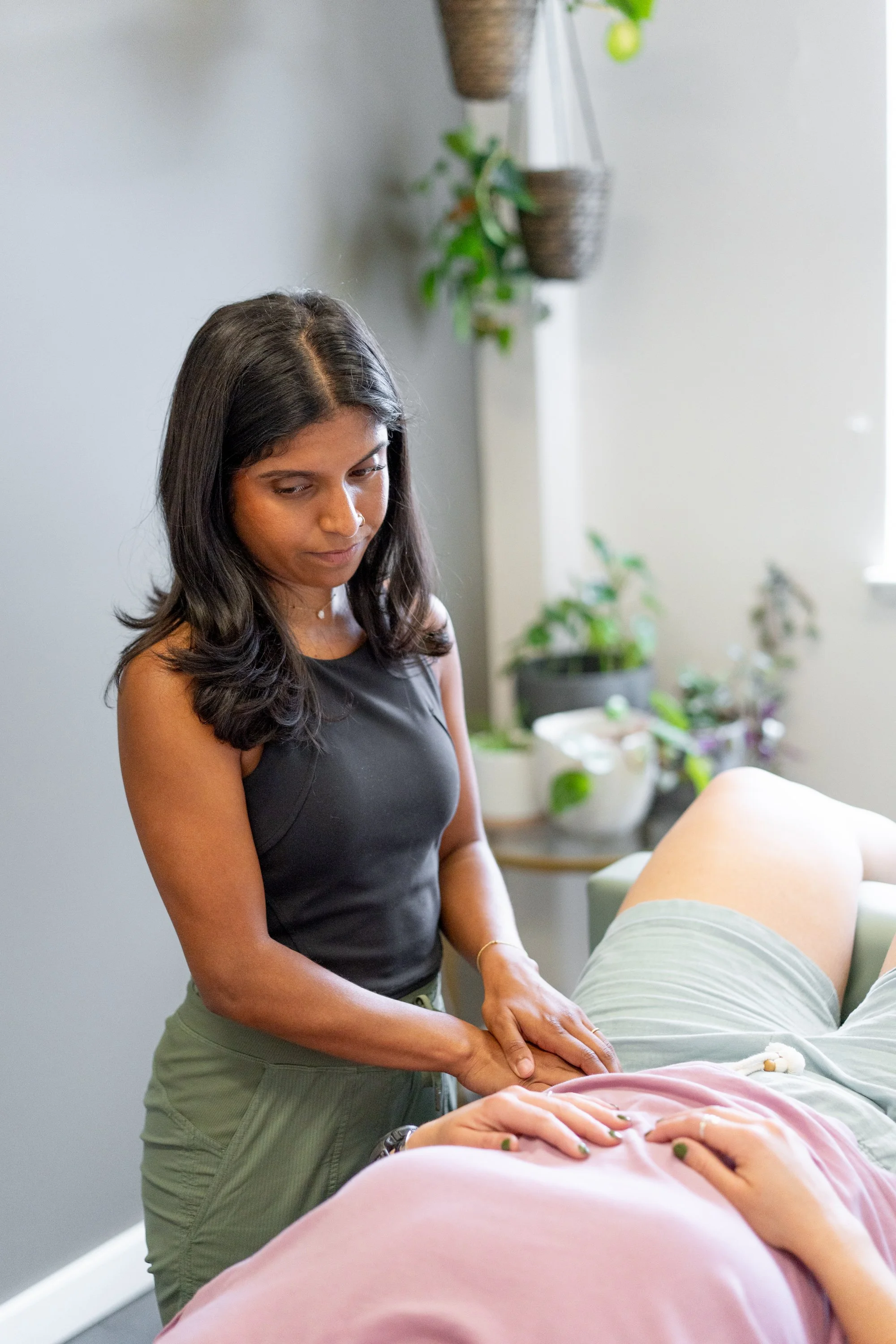
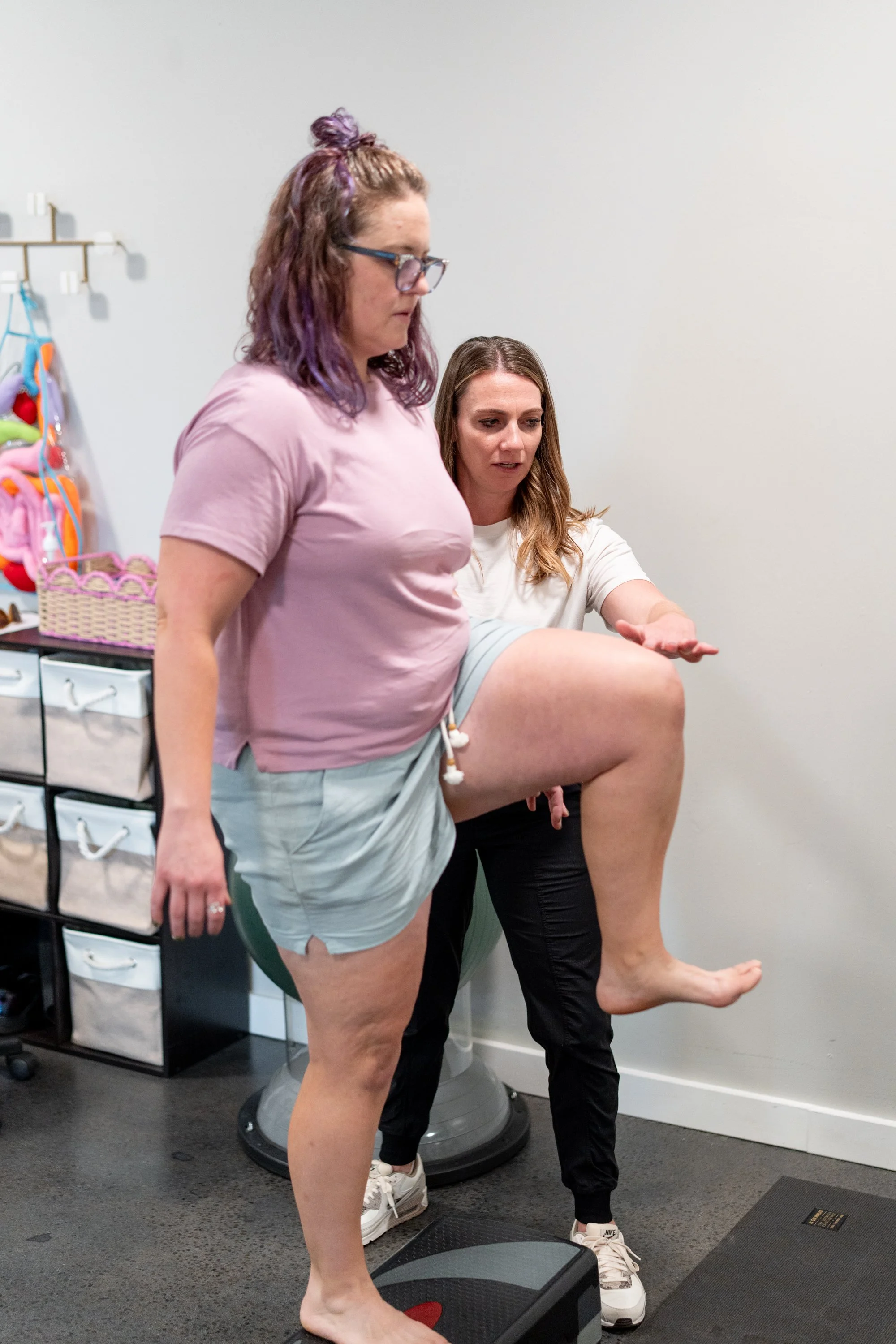
As Summus, we emphasize functional training in physical therapy. Typically your first few visits at Summus will focus on physical therapy exercises to help retrain your core and build a foundation of stability for movement. Once we have built the foundation, we will apply this into your daily movement. For example, if you like to garden, we will talk about and have you practice positions that are most advantageous for gardening and make sure those positions do not aggravate your symptoms. If you are a new parent, we will discuss and practice how you can provide comfort to your baby/toddler without compromising your body in the process when lifting them into and out of the car seat or crib or bouncing them to soothe them. While physical therapy exercises are important, it is more important how to learn to move better in your daily life and at Summus we teach and educate this to all our patients. Our goal is to empower you to move better and more confidently.
Both functional and traditional strength training are important and serve different purposes in the rehabilitation process. Traditional strength training focuses on isolating certain body parts and targeting specific muscle groups, Functional strength training incorporates multiple body parts, engages the core with each exercise, and is dynamic movement similar to the movements in our daily lives! At Summus we typically begin with traditional strengthening exercises to target the muscles that need to get stronger and then we transition into functional training to get you to use those muscles with other exercises and movement patterns you use in your daily life. Traditional strengthening helps you get stronger and functional training helps you move better with the strength you have. They go hand in hand!
Why Functional Training Matters for Pain, Mobility, and Daily Life
When you begin physical therapy at Summus, we usually begin with specific strengthening exercises to help you engage and strengthen the muscle(s) that are weak. After targeting specific muscles with strength training, we always want to progress exercises into functional training. Physical therapy should always be functional and fit into all areas of your life. We always say isolated exercises are great, but if you can’t use those muscles properly in activities of daily life then this makes it difficult to fully recover and prevent further injury. At Summus, we will go over lifting technique, squatting technique, strategies for getting on and off the ground, and/or any other movements that YOU encounter in your daily life. Going over these movements with your therapist will help you prevent injury, move with more confidence, and promote independence. If we can teach you to move with better form and posture, this will help you incorporate strength and movement into your daily life to promote overall wellbeing.
Strengthening for Stability, Support, and Long-Term Relief
At Summus, we believe in stability before mobility. If you cannot move on a stable base (i.e. proper activation of your core), then we have increased forces going through the joints and ligaments and ultimately this can cause pain or alter movement patterns causing injury. When you come to Summus for therapy, we will teach you how to engage your core properly with movement so that we can strengthen the core and surrounding muscles and avoid compensations driving your symptoms. In addition to teaching you how to engage your core with proper breath coordination, we talk about sitting, standing, and lifting posture to improve and maintain muscle balance. We always say that even if you improve your posture 20% of the time, it’s better than 0% of the time! Through improving force transmission and moving on a stable base, we can protect our joints, improve pain, and prevent injury in the future.
Therapeutic Stretching for Mobility and Pain Relief
At Summus, we incorporate a combination of dynamic and static stretching into your treatment plan as it is necessary. Oftentimes, weak muscles are tight muscles and so a combination of manual therapy and stretching is needed to improve the muscle length prior to strengthening the muscle. We will identify which muscles are tight and need specific stretching.
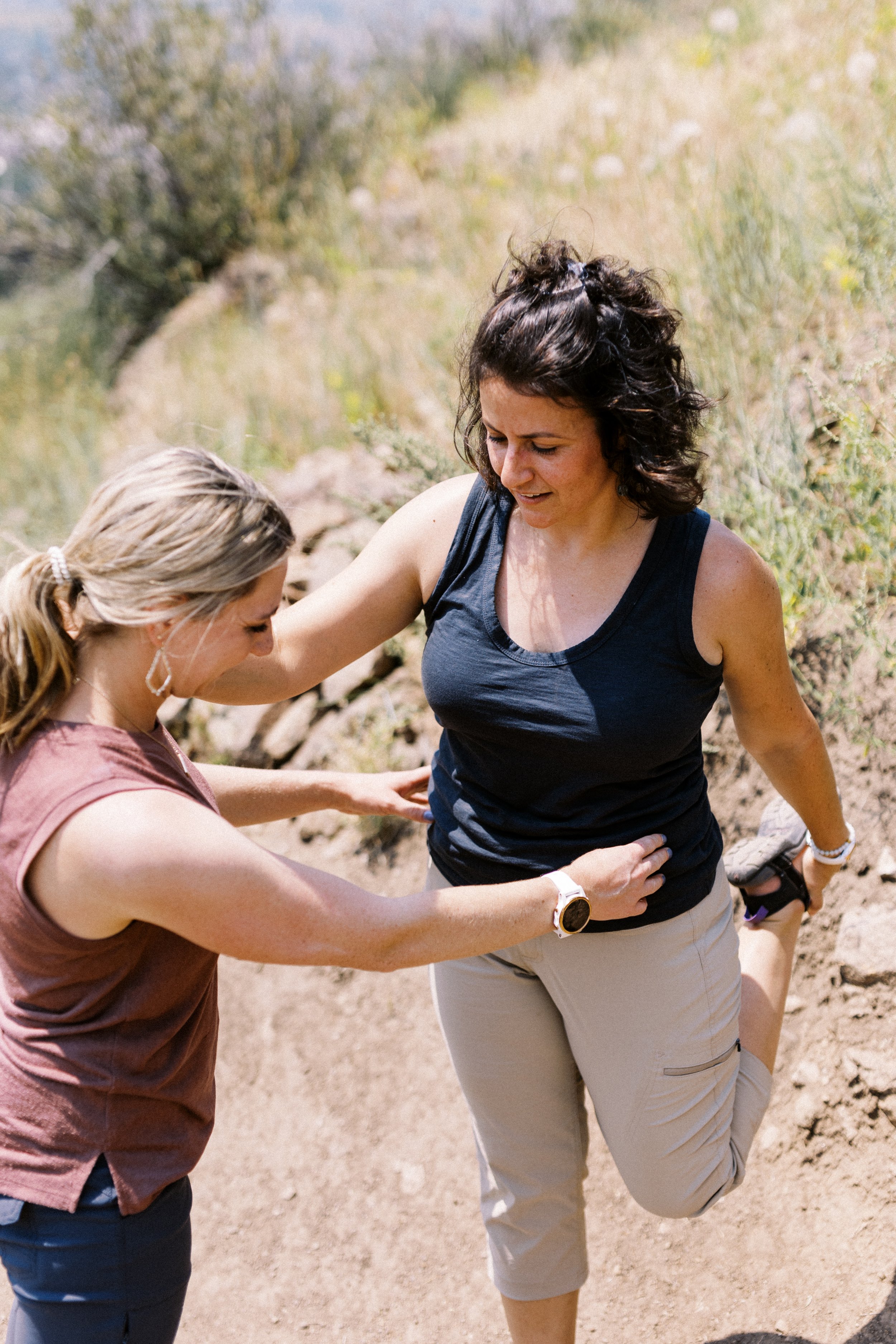
Generic stretching is great in exercise classes and addressing global mobility, however, therapeutic stretching prescribed by your PT will give you specific instructions on how long to hold the stretch for, where to feel the stretch, and ensure proper form to target the intended muscle. Therapeutic stretching improves mobility and muscle length and addresses the cause of restriction, versus where the muscle “just feels tight.” At Summus we often pair stretching with breath coordination to optimize the stretch and calm the nervous system. Once we have improved flexibility, this can improve mobility, and then integrate strengthening for stability. We need both stability AND mobility for healthy movement patterns and wellbeing!
How These Approaches Work Together
Stretching, strengthening, and functional training are all necessary components of the rehabilitation, particularly at Summus. Often they occur simultaneously to help you achieve maximum function! After a thorough evaluation and examination of the affected body part(s) and tissues, your PT will determine which muscles need specific stretching, which need strengthening, and then what movement patterns we want to train for functional training and movement.
For example, if your piriformis is too tight and your gluteus medius is weak, your therapist may provide you with a specific stretch for the piriformis, give you a strength specific exercise for the gluteus medius, and then go over deadlifts ensuring you feel the movement in your gluteals versus your low back or other areas of the body. The deadlift, for example, is a functional movement because it can be applied to lifting a bag of mulch off the ground. (These series of interventions listed would take place over a few treatments to ensure proper form and response to exercise progression).
Stretching, strengthening, and functional mobility have a role in retraining the body to move better and ultimately decreasing pain and tightness and your therapist will help guide you through this process during your time at Summus.

What to Expect at Summus Rehabilitation
Individual assessment
One-on-one care
Movement adapted to your body, history, and goals
Learn more about first time visits at Summus Rehabilitation.
Who This Approach Is For
Combining stretching, strengthening, and functional training is for everyone! At Summus, we help those experiencing chronic or persistent pain, returning to activity after injury or surgery, postpartum, or those with pelvic health dysfunction. Often we see patients who have improved with traditional or orthopedic physical therapy, but still are not fully back to 100%. With our one on one approach, longer treatment times, and the addition of functional movement and postural training into the patients plan, we find that patients make that jump to feeling completely better. Our goal is to understand the root cause of your symptoms and/or pain, the demands placed on your body in your daily life and then develop a plan so that we can get you moving better and retrain your daily movement patterns so your symptoms go away and we can prevent them from returning. No matter the injury, we want to take PT a step further to make it functional for you!