
Pelvic Floor Exercises: The Complete Guide for Women and Men
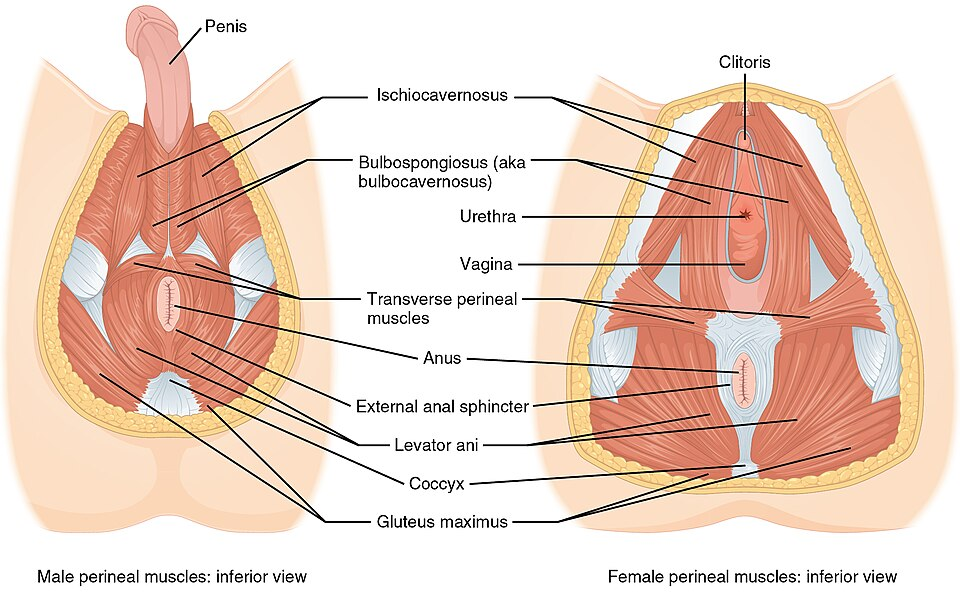
The pelvic floor is a group of muscles at the base of your pelvis that acts like a hammock to support your organs. Everyone has a pelvic floor, and it plays an important role in bowel, bladder, and sexual function. It is also a key part of your “deep core,” working together with the surrounding muscles of the hips, abdomen, and pelvis. At Summus, we help you learn how to properly coordinate these muscles and integrate pelvic floor function into everyday movement and strength training. Training the pelvic floor as part of a system—not in isolation—can reduce symptoms and help prevent them from returning and we can help you do just that.
What Are Pelvic Floor Exercises?
The pelvic floor is a group of muscles that sits at the base of your pelvis and move like any other muscle in the body; they contract, relax, and lengthen. Pelvic floor muscles are always active and this is how they maintain continence and prevent leakage of stool and urine throughout the day. Pelvic floor muscle exercises specifically target the pelvic floor by contracting, relaxing, and lengthening, however, it can be difficult to know if you are doing them correctly. We can help you learn how to not only perform pelvic floor exercises, but identify which exercises are appropriate for you, and incorporate them into functional movement and activity. Because everyone has a pelvic floor and they are part of the deep core, pelvic floor exercises are not just for women and are important for all people of all ages!
The Benefits of Pelvic Floor Exercises
Pelvic floor exercises offer benefits far beyond simply preventing urine leakage. Because the pelvic floor works together with your diaphragm, abdominal muscles, hips, and lower back as part of your deep core system, improving pelvic floor function can have a positive impact on many aspects of your health and movement. When these muscles are strong, coordinated, and able to both contract and relax appropriately, they provide support for your pelvic organs, help manage pressure within the abdomen, and contribute to overall stability during everyday activities and exercise.
Pelvic floor exercises can help improve bladder and bowel control, reduce symptoms of pelvic organ prolapse, decrease pelvic pain, and enhance sexual function. They can also improve confidence during exercise by helping your body better tolerate activities such as lifting, running, jumping, and other high-impact movements. For individuals recovering from pregnancy, childbirth, surgery, or injury, pelvic floor exercises can play an important role in restoring strength, coordination, and function.
Perhaps most importantly, pelvic floor exercises help you develop awareness and control of these muscles so they can respond appropriately to the demands of daily life. Rather than focusing solely on strengthening, a comprehensive pelvic floor program teaches your muscles to contract, relax, and lengthen when needed. This allows the pelvic floor to work as part of a coordinated system, reducing symptoms while helping to prevent future dysfunction.
Are Pelvic Floor Exercises the Same as Kegels?
The term “kegel,” named after Dr. Arnold Kegel, became widely used as a general term for pelvic floor exercises. However, pelvic floor training is more than just contracting these muscles. The pelvic floor must be able to both contract and relax, moving up, down, and in coordination with the rest of your body. While contractions can build awareness and strength, true function comes from learning how to use these muscles during real-life activities. At Summus, we focus on helping you coordinate your pelvic floor with movement—whether you’re lifting, running, or caring for your baby—so you can reduce symptoms and prevent them from returning.
Who Should Do Pelvic Floor Exercises?
Pelvic floor exercises are meant for anyone with a pelvis and throughout all stages of life. A statement we often hear is “I haven’t had any kids so I don’t need to worry about my pelvic floor” or that “pelvic floor therapy is only for women.” Not only is this untrue, but ignoring your pelvic floor at any age can lead to issues like pain, leakage, or prolapse later on in life! Whether you are having active pelvic floor dysfunction like chronic pelvic pain or urinary leakage or you are experiencing unresolved low back and hip pain, had a prostatectomy, and/or want to return to exercise without risking injury, pelvic floor exercises should be a key part of your movement routine. Performing pelvic floor exercises too often, not enough, or incorrectly can often make symptoms worse. This is why it is important to have a pelvic floor assessment from a physical therapist specializing in pelvic health to determine the appropriate pelvic floor exercises for you and we can help you here at Summus!
How To Find Your Pelvic Floor Muscles
Let’s find your pelvic floor muscles! To find your pelvic floor muscles, start by sitting upright in a chair with your spine straight and both your feet supported on the ground with your hip and knees at 90 degrees. The point of contact of the chair with your bottom is the center of your pelvic floor. Now, let’s use the steps below the trace the pelvic floor.
Tilt your pelvis forward by arching your back. You should feel your weight transfer to the pubic bones in the front. This is where your pelvic floor muscles attach in the front.
Next, tilt your pelvis backwards by slouching, like you are sitting with “bad posture”. Your weight should be at your tailbone. This is the back, or posterior, part of the pelvic floor.
You have just traced the pelvic floor from front to back.
Now, come back to the starting position.
If you lean over to your right side, you will feel your right sit bone, and then if you lean over to your left side you will find your left sit bone. This traces the pelvic floor from side to side.
If you come back to the center, you can trace your pelvic floor in a circle going from the pubic bone, to the sit right bone, to your tailbone, to the left sit bone, and back to the pubic bone. This traces ring or the borders of the pelvic floor.
You have now found your pelvic floor muscles! If this was difficult or confusing, do not worry, you are not alone! Most people have difficulty with this and if you want to learn more, book an appointment!
Exercises To Strengthen The Pelvic Floor
Oftentimes, we hear “I’m having leakage, so I need to strengthen my pelvic floor”. This is not necessarily true! The pelvic floor muscles should be able to move in all directions: contract, relax, and lengthen/stretch. To learn to move your pelvic floor muscles in all directions, follow along with the steps below:
Start by laying on your back with your knees bent in a comfortable position. Notice where your pelvic floor muscles are at baseline.
Contract your pelvic floor muscles by acting as if you are holding in urine. Some other helpful cues are to suck in a blueberry through a straw, or lift your scrotum up and in. Hold this for a couple seconds. Make sure that you are only contracting your pelvic floor muscles, if you notice you are squeezing your buttocks or your hips are moving, reset and try again.
Release/relax the pelvic floor and they will return back to baseline. Your muscles should be where they were when you started.
Next, gently press down and act as if you are passing gas or passing a bowel movement. Do not hold this position. This is stretching the pelvic floor or lengthening the muscles.
Return to baseline.
If you find you are holding your breath, having a difficult time breathing, or are confused or unsure if you are doing this correctly, you are not alone! Reach out to use and we can help you learn how to find the pelvic floor and train it is properly!
Pelvic Floor Exercises for Men
Pelvic floor dysfunction can impact anyone and exercises are recommended for anyone with a pelvis, including men. In men, or people with a prostate, this can look like surgical prep and aftercare for a prostatectomy, benign prostate hyperplasia (BPH) urine leakage, erectile dysfunction, and pelvic pain and/or prostatitis.
Prostatectomy
13% of men are diagnosed with prostate cancer at some point during their life, and treatment may consist of watching and waiting, radiation, and/or surgery to remove the prostate. Understanding your pelvic floor and prepping this group of muscles for optimal movement prior to radiation or surgery can significantly improve your recovery.
Urine leakage
Due to a diagnosis like bladder or prostate cancer, or due to changing muscles as you age, many men will experience urine leakage. Pelvic floor physical therapy can help treat urine leakage by improving muscle coordination, strength, mobility, and pressure management.
Pelvic pain
1 in 10 men can experience pelvic pain, including penile, scrotal, or rectal pain which can be caused by the pelvic floor muscles. A pelvic floor focused physical therapy evaluation can help you understand and treat pelvic pain.
Pelvic Floor Exercises for Women
Pelvic Floor Exercises for Women
Pelvic floor dysfunction is common among women and can occur at any stage of life. Hormonal changes, pregnancy, childbirth, menopause, athletic participation, and daily physical demands can all affect how the pelvic floor functions. Pelvic floor exercises can help improve muscle coordination, strength, mobility, and support while reducing symptoms such as leakage, pelvic pain, and feelings of heaviness or pressure.
Pregnancy and Postpartum Recovery
Pregnancy and childbirth place significant demands on the pelvic floor muscles. During pregnancy, the pelvic floor helps support a growing baby, and after delivery, these muscles must recover and adapt to changing demands. Pelvic floor physical therapy can help improve strength, coordination, and mobility during pregnancy while supporting recovery after birth. Whether you delivered vaginally or via cesarean section, pelvic floor exercises can help you safely return to exercise, reduce symptoms, and improve confidence in daily activities.
Urinary Leakage
Urinary leakage is one of the most common pelvic floor concerns among women and can occur during exercise, coughing, sneezing, laughing, or even with a strong urge to urinate. While many people assume leakage is a normal part of aging or motherhood, it is actually a sign that the pelvic floor and surrounding muscles may not be functioning optimally. Pelvic floor physical therapy can help address leakage by improving muscle coordination, strength, mobility, and pressure management strategies.
Pelvic Organ Prolapse
Pelvic organ prolapse occurs when one or more pelvic organs descend and create sensations of heaviness, pressure, or bulging within the vagina. While prolapse can sound alarming, many people successfully manage their symptoms with conservative treatment. Pelvic floor physical therapy focuses on improving pelvic floor coordination, strengthening supporting muscles, optimizing breathing and pressure management, and helping you return to the activities you enjoy with greater confidence and comfort.
Pelvic Pain
Pelvic pain can affect women of all ages and may present as pain in the pelvis, hips, lower abdomen, tailbone, or during intimacy. In many cases, the pelvic floor muscles contribute to these symptoms through overactivity, poor coordination, or muscle tension. A pelvic floor physical therapy evaluation can help identify contributing factors and create an individualized treatment plan to improve mobility, reduce pain, and restore normal function.
Pelvic Floor Relaxation Exercises
More often, we see pelvic floor symptoms of urinary leakage, pain, prolapse, or fecal/stool leakage occur as a result of pelvic floor overactivity or hypertonicity. Overactivity of the pelvic floor means the muscles are more active than what is considered normal which can cause them to be tight, to move poorly, and to develop trigger points resulting in pain. An overactive pelvic floor may be dysfunctional and thus not work well in a system with the other muscles of the deep core and pelvis. In order to treat these muscles, we have to release them (often through manual techniques) and learn how to relax or “downtrain” these muscles with breathing and nervous system regulation. A key exercise for nervous system regulation is called diaphragmatic breathing, which focuses on your lungs filling with more air, the diaphragm expanding and contracting with deeper breaths, which in turn relaxes your nervous system, and allows your pelvic floor muscles to relax, expand, and move better.
Pelvic Floor Exercises During and After Pregnancy
The pelvic floor during pregnancy
There are several normal musculoskeletal changes that happen during the pregnancy which place increased demand on the pelvic floor. With increased
As your pregnancy progresses, relaxin is released which causes your ligaments to become more relaxed which places increased demand on your muscles. Next as your weight shifts forward with a growing baby, your hip flexors shorten and your glutes have a more difficult time contracting. As a result, glutes become weaker, which can contribute to pain. Finally, there is growing demand on your pelvic floor muscles, which can contribute to sensations of heaviness and pelvic floor overactivity because your pelvic floor is contracting to counter the increased downward pressure and weight from the growing baby.
When to start pelvic floor exercises during pregnancy
Pregnancy and birth are marathons, and it is important that your body is prepared for these physiological changes. Typically, during the first and second trimesters of pregnancy, it is important to strengthen your core, your lower extremity muscles, and make sure your pelvic floor is strong and coordinated. In the third trimester, downtraining or relaxation takes priority. It is important to understand how to stretch and lengthen your pelvic floor muscles in order to accommodate a baby during a vaginal birth. These are generalizations across a normally progressing and healthy pregnancy without dysfunction. At Summus, we can provide individualized recommendations and help you learn to coordinate your pelvic floor with breathing coordination both with pushing for delivery and for exercise.
Frequently Asked Questions About Pelvic Floor Exercises
Why are pelvic floor exercises important?
The pelvic floor supports all of your organs, allows you to have pleasure during intimacy, maintains bowel and bladder continence, and works in a system along with the other muscles of the pelvis. Pelvic floor exercises allow you to improve coordination of your pelvic floor muscles and the deep core to provide support during movement to eliminate and prevent bowel and bladder symptoms from occuring.
How often should you do pelvic floor exercises?
Pelvic floor exercises should be done after consulting a pelvic floor physical therapist. Most clinical guidelines state that exercise should be performed 2x per day, however, the frequency of this guideline varies per individual recommendations and as your needs change and progress. Just like any training program, pelvic floor exercises should become more challenging over time. Ideally, pelvic floor exercises become part of a global strength training program, performed 2-3x per week.
Can you do too many pelvic floor exercises?
This depends on the type of exercise you are doing! Doing excessive kegels, also known as, pelvic floor contractions, especially without guidance from a pelvic floor physical therapist can absolutely worsen symptoms. More is not always better! A clear pelvic floor program that allows your pelvic floor muscles to move in all directions, work into a strength training program, and integrate with your goals is the best way to ensure a healthy pelvic floor that works with your body.
How long does it take for pelvic floor exercises to work?
The timeline depends on several factors including what your symptoms are, what your pelvic floor coordination/awareness look like, if you have pelvic floor muscle overactivity, and how often you are doing your exercises. Typically, with guidance from your pelvic floor physical therapist, people will begin to notice changes within a few sessions and even more significant changes in as little as 4-6 weeks.
What is the best exercise to strengthen the pelvic floor?
There is not one “best” exercise for everyone. The best exercise is what matches your body’s needs. For some folks, this can look like learning to properly contract the pelvic floor muscles, for others, this may look like learning to coordinate the pelvic floor with the breath in order to optimize pressure management with lifting. The optimal pelvic floor exercise for you is determined by a thorough pelvic floor assessment and what your goals are.
What are the 5 pelvic floor exercises?
A well rounded pelvic floor exercise program includes movements that focus on the muscles of the pelvis working together as a system. It’s not so much which exercises you do, but rather how you do those exercises. Some common exercises we prescribe at Summus Rehabilitation include: pelvic floor coordination with breathing, eccentric lengthening of these muscles, isometric glute strengthening exercises, mobility exercises of the mid back or inner thighs, deadlifts, and squats. The frequency and progression of these exercises depends on what your symptoms are, what your needs are, and what your unique and individual goals are.
Do Pelvic Floor Exercises Work?
Yes! Research, patient reports, and clinical experience show that pelvic floor exercises work! Recent research shows that pelvic floor physical therapy is an effective treatment for symptoms like urinary leakage, pelvic organ prolapse, and pelvic pain and is often the first line of defense to address symptoms. Physical therapy is often recommended prior to medications and surgery due to its high success rates. And if you end up needing surgery, outcomes for those that do pelvic floor PT prior to surgery have better outcomes post surgery, similar to prehab and posthab with ACL repairs. Outcomes for pelvic floor symptoms depend significantly on the quality and how these exercises are performed rather than the number of times they are performed. It is important to integrate these exercises with functional movement so that the pelvic floor muscles are working as a system with the rest of your body. Pelvic floor exercises are most effective when performed with the guidance of a pelvic floor physical therapist, are done correctly, and consistently. We can perform an evaluation at Summus to understand what may be contributing to your symptoms.
When Exercises Are Not Enough: Working With a Pelvic Floor PT
If your symptoms are not improving with the exercises or changes you’ve made on your own within a couple of weeks, then we recommend you consult a specialist. At Summus, we can help you understand your symptoms more deeply and thoroughly. The pelvic floor focused initial evaluation helps us understand what your body needs, what your overall strength looks like, and what your movement patterns are that may be contributing to your dysfunction. From there, we are able to develop a treatment plan that includes manual therapy, exercise, and other treatment modalities to address your symptoms and help you return to your goals.