
Beyond the 6-Week Clearance: Running and the Pelvic Floor
The standard clearance for all activity by your OBGYN is 6 weeks. But what does this magic number mean? The 6 week clearance is not supported by recent research, and can vary significantly across people and across activities. For example, at 6 weeks, you might be comfortable walking a mile, but hiking might feel really daunting. Your OBGYN is an excellent resource during and after pregnancy for keeping you safe, planning and performing your delivery, and managing any health conditions you may have. However, physical therapists are responsible for guiding you through movement to manage pain, reduce risk of injury and safely return to exercise. But what does a realistic and safe return to running timeline look like? And what are the risks of returning to running too soon?

To understand what a safe return to run timeline looks like, it’s important to understand how a body changes during and after pregnancy. During pregnancy, while the baby grows, there is increased demand on your pelvic floor muscles. They are working harder to perform their normal functions including maintaining continence and providing support. As the belly grows, your center of mass shifts forward as well, creating a change in your pelvic system. Hip flexors typically shorten, while glutes have a harder time recruiting and contracting. Finally, as the hormone, relaxin, releases in your body, your ligaments become more lax, placing more demand on your muscles to maintain stability.
The changes that your body endures during pregnancy take time to return to your pre-pregnancy state. For example, relaxin takes about 4-12 weeks to fully leave the system, some studies show that it may take up to a year, depending on breastfeeding status. This means that throughout your postpartum period, your body continues to rely heavily on muscles for stability. If you experienced a vaginal delivery, the muscles of the pelvic floor had to accommodate a baby. Studies show that the deepest layer of the pelvic floor muscles takes about 6 months to return and recoil to its original state. During this time, the functions of the pelvic floor are compromised. Your body is working harder than normal to provide support in this region. Finally, diastasis recti, or separation of the rectus abdominus muscles, is common during pregnancy. As a result, the foundational stability that your deep core muscles normally provide, is compromised.
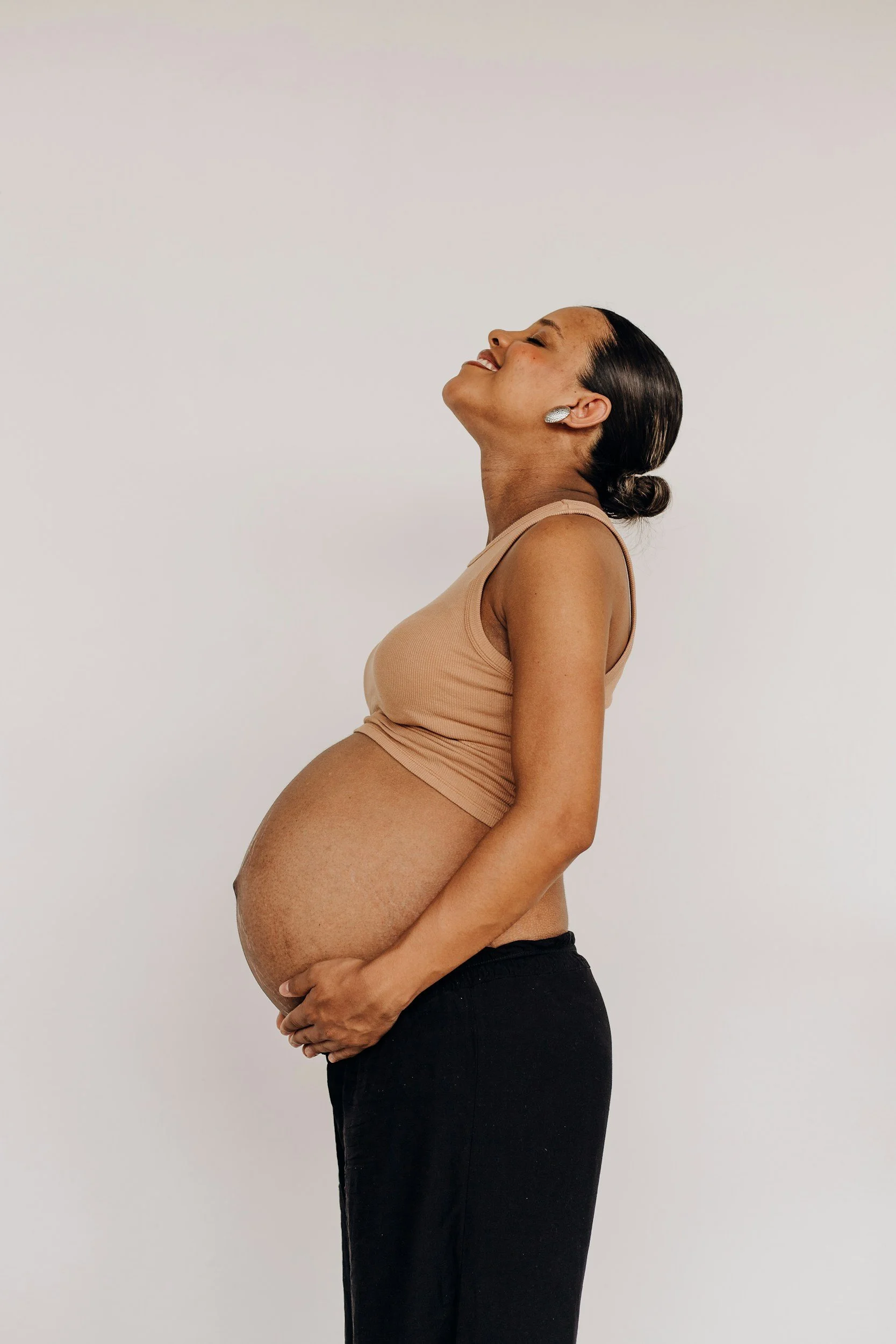
Now consider returning to run while your body is continuing to experience these changes. Running is a series of small jumps, about 750 ground contacts per foot for each mile, that send impact up the body. Running with increased ligamentous laxity puts increased stress on your joints and muscles. The deepest layer of the pelvic floor has not yet recoiled to baseline and as a result, it is not giving you the stability to endure shock absorption during running. Because your pelvic floor muscles lack the inherent strength and stability, your risk for pelvic floor dysfunction including urinary or fecal incontinence, prolapse, and pelvic pain can increase. Not allowing proper time and space for healing can create imbalance over time and can prolong your healing timeline.

Pelvic floor physical therapy can help you safely return to running and other activities within the proper healing timelines. During your initial visit, we will take time to understand your activity goals in detail. We will also perform a thorough physical assessment which will help us determine a comprehensive plan of care to best prepare you for your goals. If you are in the postpartum stage, and want to return to your pre-pregnancy activities safely, an in-depth physical therapy evaluation can help you reach your goals.